
Site Preparation & Excavation
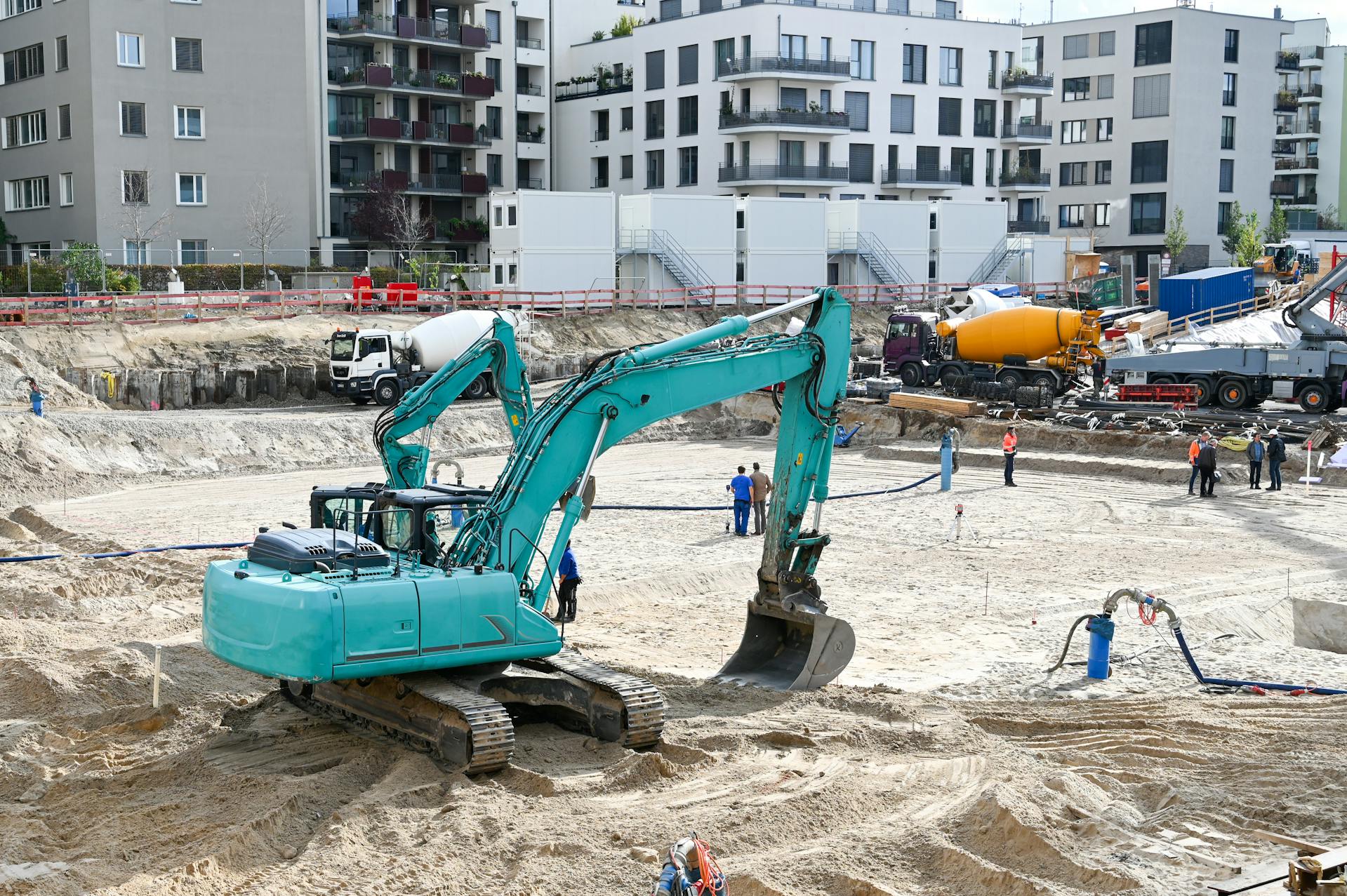
Site Preparation & Excavation Services
Site preparation and excavation are the foundation of any successful construction project. Before a single wall is built or a slab is poured, the ground must be properly assessed, cleared, shaped, and stabilized. This phase determines how safely and efficiently the rest of the project will move forward. Poor preparation can lead to structural issues, drainage problems, delays, and unnecessary costs later on. Professional site preparation and excavation services ensure the land is ready to support construction in a safe, compliant, and durable way.
These services are used across residential, commercial, industrial, and infrastructure projects. From small housing developments to large-scale commercial sites, careful planning and precise execution are essential at every stage.
Understanding Site Preparation
Initial Site Assessment
Every project begins with a detailed assessment of the site. This includes studying soil conditions, land contours, drainage patterns, and existing structures. Engineers and surveyors evaluate whether the soil can support the intended load and identify any challenges such as weak soil, high water tables, or underground utilities. This information guides all decisions that follow and helps avoid unexpected problems during excavation.
Clearing and Grubbing
Clearing removes surface obstacles such as trees, shrubs, debris, and old structures. Grubbing focuses on removing roots and organic material below the surface that could compromise soil stability. This step is critical because organic matter decomposes over time, which can cause ground settlement and uneven foundations. Proper clearing and grubbing create a clean, stable base for further work.
Site Grading and Levelling
Grading shapes the land to achieve the required elevations and slopes. A properly graded site promotes effective drainage, prevents water pooling, and protects foundations from moisture-related damage. Leveling ensures that the construction area meets design specifications, whether the project requires a flat surface or carefully engineered slopes.
Earth Excavation
Earth excavation involves removing soil to reach the required depth for foundations, basements, utilities, or roadways. This process requires accuracy to avoid over-excavation, which can increase costs and compromise soil strength. Skilled operators use specialized machinery to excavate efficiently while maintaining precise dimensions.
Rock Excavation
Some sites contain rock formations that cannot be removed using standard excavation methods. Rock excavation may require heavy-duty equipment, controlled blasting, or mechanical breaking techniques. This work must be handled carefully to maintain safety and avoid damage to nearby structures.
Trench Excavation
Trenching is used to create narrow excavations for utilities such as water lines, sewer systems, gas pipelines, and electrical conduits. Proper trench depth, width, and support are essential to meet safety regulations and ensure long-term performance of underground services.
Basement and Foundation Excavation
Excavation for basements and foundations requires precise depth control and stable sidewalls. This type of excavation supports the structural integrity of the entire building. Errors at this stage can lead to settlement, cracking, or water infiltration issues later on.
Soil Management and Stabilization
Soil Testing and Analysis
Soil testing determines load-bearing capacity, moisture content, and composition. Based on test results, adjustments can be made to excavation depth, foundation design, or stabilization methods. This step ensures that construction is based on reliable ground conditions.
Compaction and Backfilling
After excavation, selected soil or engineered fill is placed back into certain areas and compacted in layers. Proper compaction increases soil density and strength, reducing the risk of settlement. Backfilling around foundations and trenches must be done carefully to protect structures and utilities.
Ground Improvement Techniques
In some cases, natural soil conditions are not suitable for construction. Ground improvement methods such as soil replacement, chemical stabilization, or geotextile reinforcement may be used. These techniques enhance soil performance and extend the lifespan of the structure.
Drainage and Erosion Control
Temporary Drainage Solutions
During excavation, water management is critical. Temporary drainage systems such as channels, sumps, or pumps are used to control surface water and groundwater. Keeping the site dry improves safety and allows work to proceed without interruption.
Permanent Drainage Preparation
Site preparation often includes shaping the land to support permanent drainage systems. Proper slopes and subgrade preparation help guide water away from structures, reducing the risk of flooding and water damage.
Erosion Control Measures
Excavation exposes soil to wind and water erosion. Measures such as silt fences, sediment basins, and soil coverings are used to protect the environment and comply with regulations. Erosion control also preserves the integrity of the prepared site.
Equipment and Technology Used
Heavy Machinery
Excavation projects rely on equipment such as excavators, bulldozers, loaders, graders, and dump trucks. Each machine serves a specific purpose, from digging and lifting to transporting and shaping soil. Choosing the right equipment improves efficiency and precision.
Modern Surveying and Control Systems
Advanced surveying tools and GPS-guided machinery allow for accurate excavation according to design plans. These technologies reduce errors, minimize rework, and help maintain consistent quality across the site.
Safety and Compliance
Site Safety Practices
Excavation work carries inherent risks, including cave-ins, equipment hazards, and underground utility strikes. Strict safety procedures are followed to protect workers and surrounding areas. This includes proper shoring, protective barriers, and trained equipment operators.
Regulatory Compliance
Site preparation and excavation must comply with local building codes, environmental regulations, and safety standards. Permits are often required before work begins, and inspections may be conducted throughout the process. Compliance ensures the project proceeds without legal or regulatory delays.
Safety and Compliance
Site Safety Practices
Excavation work carries inherent risks, including cave-ins, equipment hazards, and underground utility strikes. Strict safety procedures are followed to protect workers and surrounding areas. This includes proper shoring, protective barriers, and trained equipment operators.
Regulatory Compliance
Site preparation and excavation must comply with local building codes, environmental regulations, and safety standards. Permits are often required before work begins, and inspections may be conducted throughout the process. Compliance ensures the project proceeds without legal or regulatory delays.
Benefits of Professional Site Preparation & Excavation
Strong Structural Foundation
Properly prepared ground supports stable foundations and long-lasting structures. Investing in professional excavation reduces the likelihood of future repairs caused by settlement or drainage issues.
Improved Project Efficiency
Experienced teams complete work efficiently and accurately, helping projects stay on schedule and within budget. Careful planning minimizes unexpected delays and costly corrections.
Reduced Long-Term Risks
Quality site preparation addresses potential issues before construction begins. This proactive approach lowers the risk of structural failure, water damage, and maintenance problems in the future.
Applications Across Different Projects
Residential Construction
For homes and housing developments, site preparation ensures safe foundations, proper drainage, and smooth construction progress. This includes excavation for basements, driveways, and utility connections.
Commercial and Industrial Projects
Large-scale developments require precise excavation and soil management to support heavy structures and high traffic loads. Proper preparation is critical for safety and operational efficiency.
Infrastructure and Public Works
Roads, bridges, and utility networks rely on extensive excavation and grading. Accurate site preparation ensures durability and long-term performance under demanding conditions.